Dolomite powder has become one of the most sought-after industrial minerals across numerous sectors. From construction and agriculture to ceramics, steel, glass, paints, and plastics, industries rely on this versatile mineral to improve product quality, production efficiency, and cost-effectiveness. As industrial development continues to expand, the demand for high-quality dolomite powder is witnessing remarkable growth.
Ahmedabad has emerged as a significant center for mineral processing and manufacturing in India. Businesses looking for reliable dolomite powder often prefer manufacturers in Ahmedabad due to their advanced processing facilities, quality standards, and ability to cater to diverse industrial requirements. Understanding the role of dolomite powder and choosing the right manufacturer can significantly impact operational success and product performance.
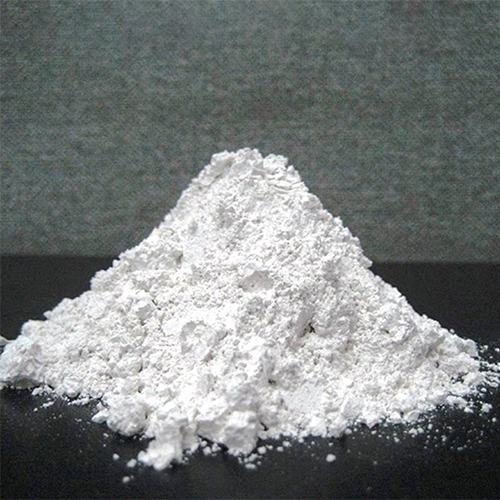
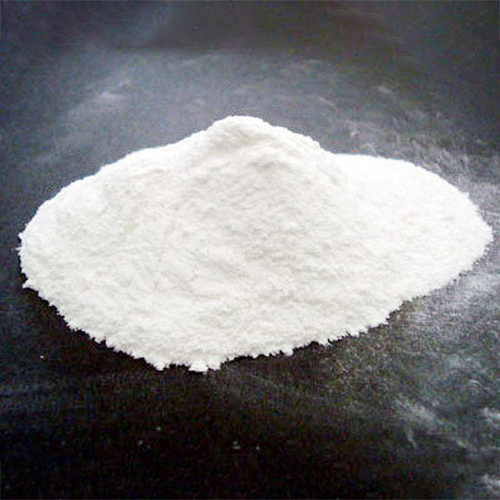
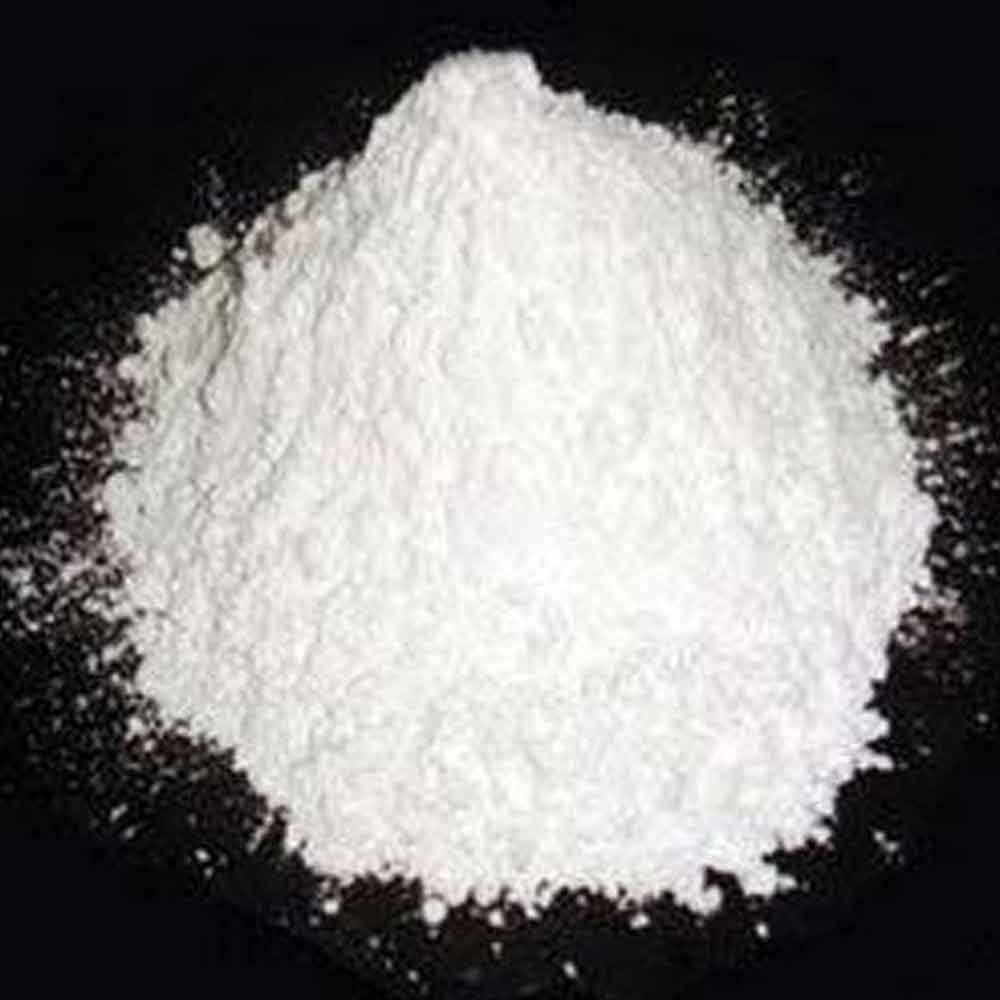
Dolomite powder is derived from the mineral dolomite, a naturally occurring carbonate mineral composed primarily of calcium magnesium carbonate. The mineral is carefully processed and ground into fine powder to meet the requirements of various industries.
Its balanced composition of calcium and magnesium makes it highly beneficial for industrial formulations. The mineral offers excellent physical and chemical properties that contribute to durability, strength, and performance enhancement in numerous applications.
Some major advantages of dolomite powder include:
These qualities make dolomite powder an indispensable raw material for modern industries.
The manufacturing process begins with the extraction of dolomite rock from carefully selected mines. The raw material undergoes several stages before becoming a finished industrial-grade product.
The general production process includes:
Every stage plays a critical role in ensuring that the final product meets industry standards and customer specifications. Reputable manufacturers invest in advanced machinery and quality control systems to maintain consistency across production batches.
Ahmedabad has established itself as a major industrial and manufacturing hub. The city offers excellent infrastructure, transportation networks, skilled workforce availability, and proximity to industrial markets.
Several factors contribute to Ahmedabad's growing reputation in the mineral processing sector:
| Factor | Benefit for Buyers |
|---|---|
| Advanced Manufacturing Facilities | Consistent product quality |
| Strong Logistics Network | Faster deliveries |
| Skilled Technical Workforce | Better process control |
| Industrial Ecosystem | Competitive pricing |
| Quality Control Standards | Reliable material performance |
| Bulk Production Capacity | Uninterrupted supply |
As a result, industries across India and international markets frequently source dolomite powder from Ahmedabad-based manufacturers.
Unlike many industrial fillers and minerals, dolomite powder offers a unique combination of calcium and magnesium. This dual-mineral composition provides enhanced functionality across multiple applications.
Its distinct characteristics include:
These features allow manufacturers to improve the overall performance of their products while optimizing production costs.
Industrial buyers often evaluate dolomite powder based on its physical and chemical properties.
| Property | Typical Benefit |
|---|---|
| High Calcium Content | Strength enhancement |
| Magnesium Presence | Improved stability |
| Fine Particle Size | Better blending |
| High Brightness | Improved appearance |
| Low Silica Content | Enhanced purity |
| Controlled Moisture | Longer shelf life |
| Consistent Density | Uniform product performance |
Understanding these properties helps buyers choose the appropriate grade for their intended applications.
Particle size plays a vital role in determining the effectiveness of dolomite powder. Different industries require varying mesh sizes depending on their production processes.
Fine particles generally provide:
Coarser particles may be preferred for applications where bulk density and structural support are more important.
Selecting the correct particle size can significantly improve manufacturing outcomes and operational efficiency.
Mesh size refers to the fineness of the powder. It determines how finely the material has been ground during processing.
Common industrial mesh ranges include:
| Mesh Size | Typical Applications |
|---|---|
| 100 Mesh | Construction materials |
| 200 Mesh | Agriculture |
| 300 Mesh | Ceramics |
| 400 Mesh | Paints and coatings |
| 500 Mesh | Plastics |
| 600 Mesh and Above | Specialized industrial uses |
Manufacturers often offer customized mesh sizes to meet specific customer requirements.
The combination of calcium and magnesium contributes significantly to the effectiveness of dolomite powder. Calcium enhances strength and structural integrity, while magnesium improves durability and resistance to environmental conditions.
This balanced mineral composition enables industries to achieve better product performance while reducing reliance on expensive additives.
As a result, dolomite powder remains a preferred choice across numerous manufacturing sectors.
Established in 2024, Ananta Minerals has quickly emerged as a trusted name in the mineral industry, recognized for supplying a premium range of high-quality mineral powders for diverse industrial applications. As a reliable manufacturer, exporter, importer, and distributor, the company specializes in products such as Calcite Powder, White Stone Powder, Marble Powder, and Dolomite Powder, catering to the evolving requirements of industries across India.
Under the dynamic leadership of Meenakshi Sahu, Ananta Minerals focuses on delivering products that meet high standards of purity, consistency, and performance. The company follows a quality-driven approach to ensure precise composition and dependable mineral solutions that support efficient manufacturing processes.
With a commitment to quality, innovation, and customer satisfaction, Ananta Minerals continues to strengthen its presence in the market by offering cost-effective mineral products designed for long-lasting industrial performance and reliable results.
Dolomite powder serves as a valuable raw material in multiple industries due to its versatility and performance-enhancing properties.
Major applications include:
Its widespread usage demonstrates its importance in modern industrial operations.
In the steel industry, dolomite powder acts as a fluxing material that helps remove impurities during metal processing. It contributes to improved furnace efficiency and better-quality steel production.
Benefits include:
This makes dolomite powder a critical component in metallurgical applications.
Glass manufacturers utilize dolomite powder to improve product strength and clarity. The mineral helps regulate the composition of glass while enhancing durability.
Advantages for glass production include:
Consequently, high-quality dolomite powder is widely used in both commercial and specialty glass production.
Dolomite powder serves as an effective extender and filler in paints and coatings. Its fine particle size improves coverage while reducing formulation costs.
Key benefits include:
Manufacturers often choose dolomite powder to achieve high-performance coatings without significantly increasing production expenses.
The ceramic industry relies on dolomite powder to improve product strength, thermal stability, and finishing quality.
Applications include:
Its mineral composition helps achieve smoother surfaces and improved firing performance.
Agricultural applications benefit greatly from dolomite powder because of its ability to supply essential nutrients and balance soil pH levels.
Farmers use dolomite powder to:
This makes it a valuable agricultural input for sustainable farming practices.
Dolomite powder acts as a functional filler in rubber and plastic manufacturing. It improves mechanical properties while reducing production costs.
Manufacturers benefit through:
The result is higher-quality products with optimized manufacturing economics.
The construction sector uses dolomite powder in a variety of building materials.
Common applications include:
Its contribution helps improve strength, durability, and overall structural performance.
Consistency is one of the most important factors when purchasing dolomite powder. Variations in purity, particle size, or chemical composition can negatively impact production quality.
Reliable manufacturers maintain strict quality control measures to ensure:
Consistency helps industries avoid production disruptions and quality-related issues.
Premium-quality dolomite powder is typically characterized by:
Manufacturers who consistently meet these benchmarks earn the trust of industrial buyers.
Leading manufacturers employ advanced production systems and laboratory testing procedures to maintain product consistency.
Quality assurance practices often include:
These measures ensure that customers receive dependable products every time.
Industrial minerals may contain impurities that affect performance.
Common contaminants include:
Excessive impurities can lead to reduced product efficiency, manufacturing defects, and lower end-product quality.
Therefore, sourcing from reputable manufacturers becomes essential.
Modern processing technologies allow manufacturers to achieve superior particle uniformity and precision.
Advanced equipment helps deliver:
These technological advancements directly influence product quality and customer satisfaction.
Laboratory testing is crucial for verifying quality standards before products reach customers.
Common tests include:
| Test Type | Purpose |
|---|---|
| Chemical Analysis | Verify composition |
| Particle Size Analysis | Confirm mesh specifications |
| Moisture Testing | Ensure storage stability |
| Purity Assessment | Detect contaminants |
| Density Testing | Measure consistency |
| Brightness Evaluation | Assess visual quality |
Regular testing helps manufacturers maintain industry compliance and product reliability.
When comparing suppliers, buyers should review:
A thorough evaluation helps ensure the selected product aligns with application requirements.
Not all dolomite powder products are identical. Industrial grades undergo additional processing to achieve precise specifications.
| Feature | Natural Grade | Processed Industrial Grade |
|---|---|---|
| Purity | Moderate | High |
| Particle Control | Limited | Precise |
| Consistency | Variable | Uniform |
| Industrial Suitability | Basic | Advanced |
| Quality Assurance | Minimal | Extensive |
Industrial users generally prefer processed grades due to their reliability and performance.
Every industry has unique requirements. Selecting the appropriate grade involves evaluating operational needs and product objectives.
Buyers should consider:
Collaborating with experienced manufacturers can simplify the selection process.
While price remains an important consideration, focusing solely on cost may result in lower-quality materials and increased operational challenges.
Long-term value comes from:
A balanced approach helps maximize return on investment.
Buyers should remain cautious when evaluating potential suppliers.
Warning signs include:
Identifying these risks early can prevent costly procurement mistakes.
Direct manufacturers offer several advantages over intermediaries.
These include:
For large-scale procurement, direct sourcing often provides significant operational benefits.
Modern manufacturers understand that every customer has unique requirements.
Common customization services include:
These capabilities help businesses achieve optimal production results.
Proper packaging protects product quality throughout the supply chain.
Popular packaging options include:
Effective packaging minimizes contamination risks and improves storage efficiency.
A strong supply chain ensures uninterrupted production activities.
Benefits include:
Reliable manufacturers invest heavily in logistics infrastructure to support customer operations.
Environmental responsibility is becoming increasingly important within the mineral sector.
Leading manufacturers are adopting:
These efforts contribute to responsible industrial growth while minimizing environmental impact.
Technological advancements continue to reshape mineral processing.
Emerging developments include:
These innovations are helping manufacturers achieve higher standards of quality and efficiency.
Demand for dolomite powder is expected to grow steadily due to expanding industrial activities and infrastructure development.
Growth-driving sectors include:
This upward trend presents significant opportunities for manufacturers and buyers alike.
Before selecting a supplier, procurement teams should ask:
These questions help buyers make informed purchasing decisions.
Long-term supplier relationships offer benefits that extend beyond pricing.
They contribute to:
A trusted manufacturing partner becomes an important asset for operational success.
Choosing the right manufacturer requires careful evaluation of quality standards, production capabilities, industry experience, and customer support.
Focus on suppliers who demonstrate:
Taking a strategic approach to supplier selection ensures long-term business benefits.
Dolomite powder continues to play a crucial role in a wide range of industries. Its versatility, cost-effectiveness, and performance-enhancing properties make it an essential industrial mineral. Ahmedabad has become a preferred destination for sourcing quality dolomite powder due to its strong manufacturing ecosystem, advanced processing facilities, and commitment to quality standards.
Businesses seeking dependable dolomite powder should prioritize quality, consistency, technical specifications, and supplier credibility rather than focusing solely on pricing. By partnering with an experienced dolomite powder manufacturer in Ahmedabad, buyers can secure a reliable supply of high-quality material that supports productivity, efficiency, and long-term growth.
► The ideal mesh size depends on the application. Paints, plastics, and coatings generally require finer mesh sizes, while construction and agricultural applications may use coarser grades.
► Dolomite powder enhances strength, stability, durability, and cost efficiency while improving the performance of finished products.
► The quality of raw materials, mining practices, processing techniques, and quality control measures all influence purity levels.
► Ahmedabad offers advanced manufacturing facilities, reliable logistics, competitive pricing, and consistent product quality.
► Yes. Many manufacturers offer customized mesh sizes, purity levels, and packaging options based on customer specifications.
► Manufacturers typically conduct chemical analysis, particle size testing, moisture testing, density measurement, and purity verification.
► Construction, steel, agriculture, glass, ceramics, plastics, and paints are among the largest consumers of dolomite powder.
► Buyers should evaluate product quality, consistency, testing standards, production capacity, delivery capabilities, customization options, and overall supplier reliability.