Dolomite powder and Calcite powder are two of the most widely used industrial minerals across construction, manufacturing, agriculture, plastics, paints, and chemical industries. Though they may appear similar at first glance—both being white to off-white powders derived from natural carbonate rocks—their chemical composition, physical properties, performance, pricing, and industrial applications differ significantly.
Choosing between dolomite powder and calcite powder is not merely a matter of cost; it involves understanding quality requirements, chemical behavior, compatibility with end-use applications, and long-term performance. In this detailed guide, we explore the difference between dolomite powder and calcite powder in terms of composition, quality parameters, price trends, usage areas, industry demand, and their unique specialties.
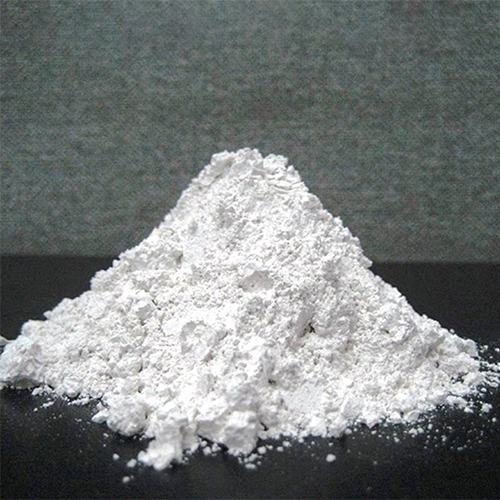
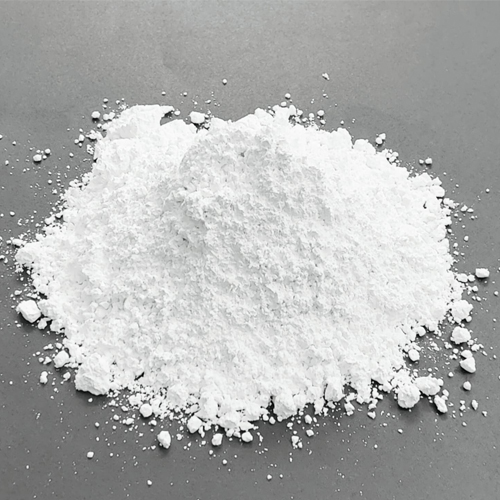
Dolomite powder is a finely ground form of dolomite rock, a sedimentary carbonate mineral composed primarily of calcium magnesium carbonate (CaMg(CO₃)₂). It naturally contains both calcium and magnesium, which gives dolomite powder its distinct chemical behavior compared to pure calcium carbonate products.
Dolomite is generally mined from dolomitic limestone deposits and processed through crushing, grinding, and classification to obtain fine and ultra-fine grades. The powder may vary in whiteness, purity, and particle size depending on the source and processing method.
Because of its balanced calcium and magnesium content, dolomite powder is valued in applications where chemical stability, alkalinity, and hardness are required. It is commonly used in construction materials, agriculture soil conditioners, ceramics, glass, steel manufacturing, and fillers for plastics and rubber.
Calcite powder is derived from calcite, a naturally occurring form of calcium carbonate (CaCO₃). It is one of the most abundant minerals on Earth and is widely used due to its high purity, excellent whiteness, and chemical reactivity.
Calcite powder is produced by crushing and grinding high-grade calcite rocks or limestone. Depending on processing, it can be supplied as coarse powder, fine powder, or ultra-fine micronized powder suitable for high-end industrial applications.
Due to its high calcium content and superior brightness, calcite powder is extensively used as a filler and extender in paints, coatings, plastics, paper, rubber, adhesives, pharmaceuticals, cosmetics, and food-grade applications (subject to purity standards).
| Parameter | Dolomite Powder | Calcite Powder |
|---|---|---|
| Chemical Formula | CaMg(CO₃)₂ | CaCO₃ |
| Calcium Content | Moderate | High |
| Magnesium Content | Present | Absent |
| Purity Range | 85% – 95% | 90% – 99.9% |
Quality is a decisive factor when selecting between dolomite powder and calcite powder. The suitability of either material depends on particle size distribution, whiteness, chemical purity, moisture content, and consistency.
Dolomite powder quality is primarily evaluated based on calcium-magnesium ratio, hardness, bulk density, and thermal stability. It is less reactive than calcite but offers better mechanical strength and abrasion resistance.
Calcite powder quality is judged by brightness, whiteness index, particle size uniformity, and calcium carbonate purity. High-grade calcite powder offers excellent dispersion, smooth surface finish, and high opacity in end-use products.
Pricing plays a major role in industrial procurement decisions. While both dolomite and calcite powders are affordable minerals, calcite powder is generally more expensive due to higher purity requirements and processing costs.
| Grade | Dolomite Powder Price Range | Calcite Powder Price Range |
|---|---|---|
| Coarse Grade | Low to Moderate | Moderate |
| Fine Grade | Moderate | Moderate to High |
| Ultra-fine / Micronized | Moderate | High |
In general, dolomite powder is more cost-effective for bulk and structural applications, whereas calcite powder commands a premium price in industries that demand brightness, purity, and chemical precision.
Dolomite powder is widely used in industries where strength, durability, and alkaline properties are required rather than high brightness.
Calcite powder is ideal for applications that require whiteness, smoothness, chemical purity, and fine particle dispersion.
| Industry | Dolomite Powder | Calcite Powder |
|---|---|---|
| Construction | Highly Used | Moderately Used |
| Paint & Coating | Used | Highly Used |
| Plastic | Limited | Extensive |
| Agriculture | Extensive | Limited |
Dolomite powder stands out due to its magnesium content, higher hardness, and thermal stability. It is ideal for high-temperature processes and structural applications where long-term durability is essential.
Calcite powder excels in brightness, purity, and chemical reactivity. It provides superior surface finish, excellent dispersion, and improved aesthetic quality in consumer and industrial products.
Both dolomite powder and calcite powder are indispensable industrial minerals, each serving distinct purposes. Dolomite powder is best suited for strength-oriented, cost-effective, and magnesium-demanding applications, while calcite powder is preferred for high-purity, brightness-driven, and chemically sensitive uses.
The right choice depends on application requirements, budget, quality standards, and industry regulations. Understanding their differences allows manufacturers and buyers to optimize performance, cost, and product quality effectively.
Choosing the right mineral powder today ensures better performance, durability, and profitability tomorrow.